Removing Bermuda Grass and Installing Tall Fescue Sod
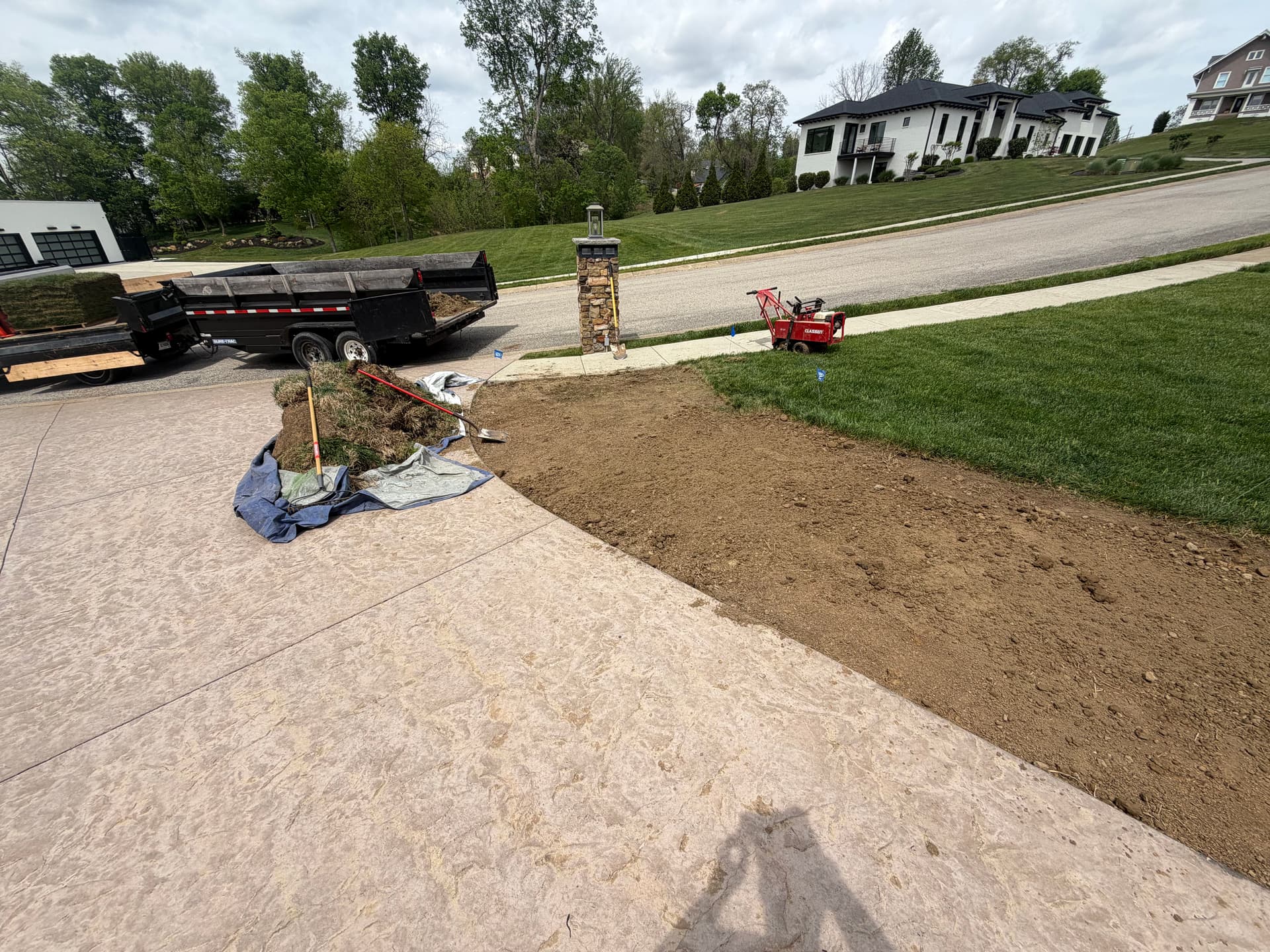
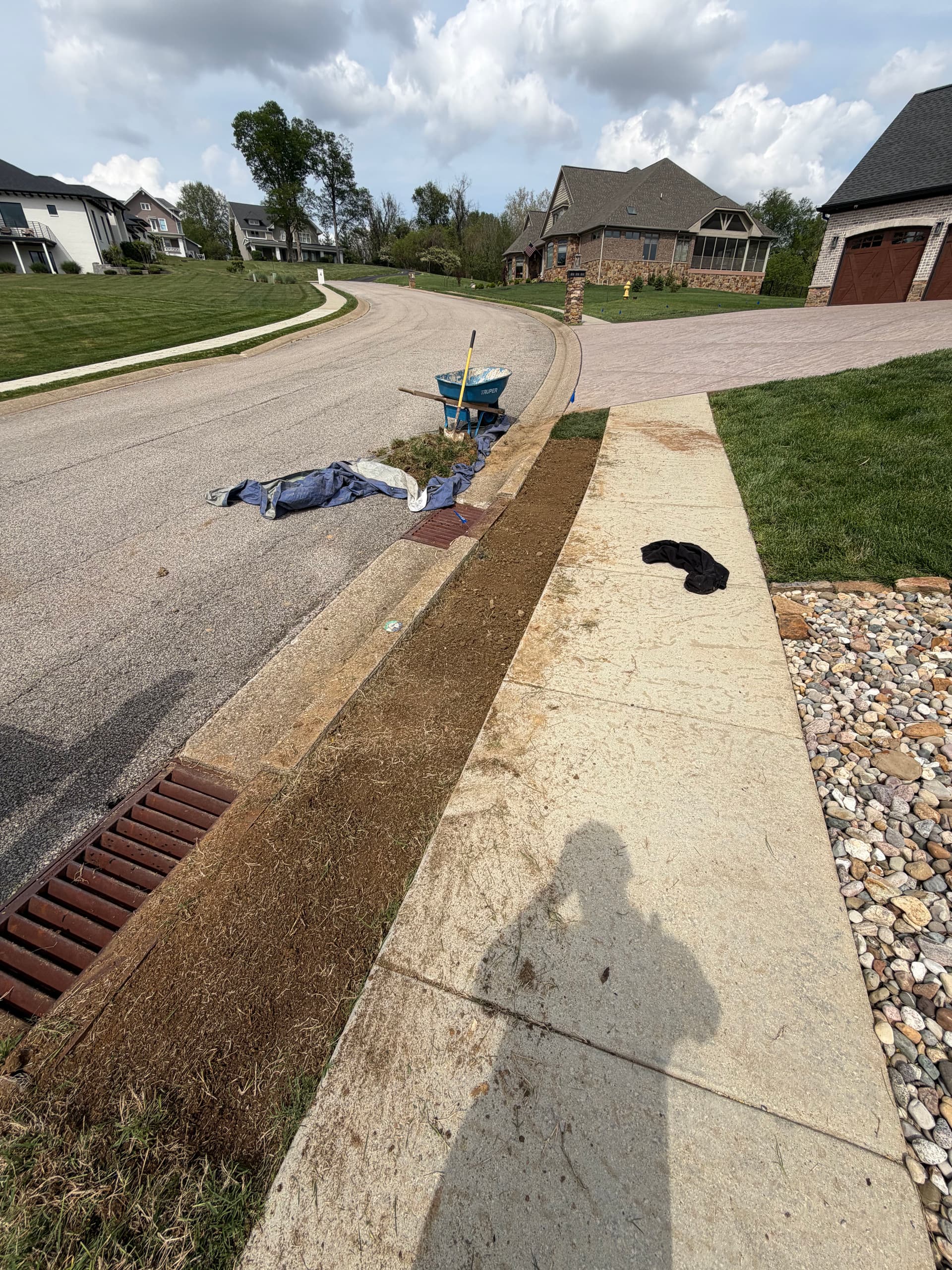
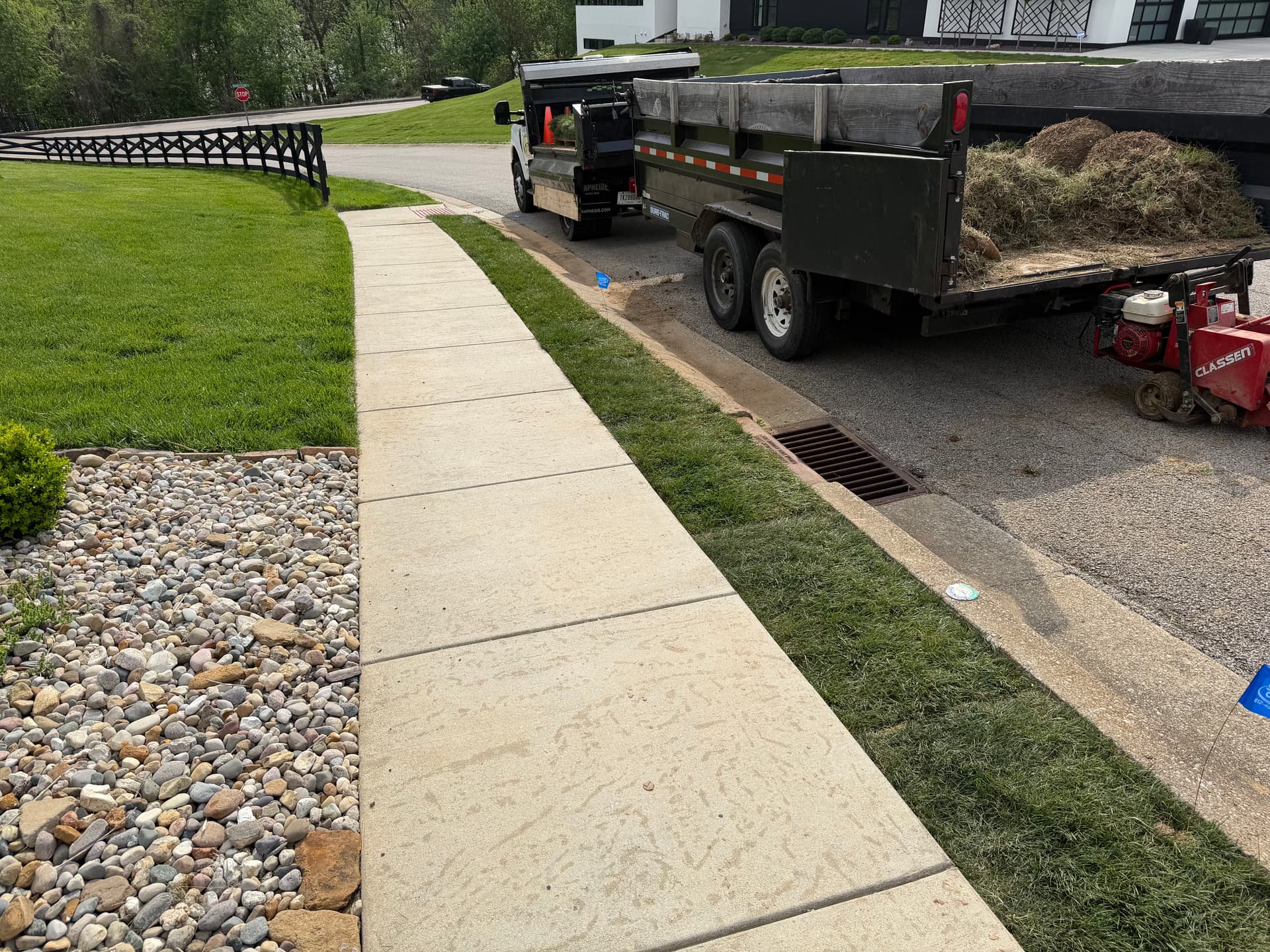
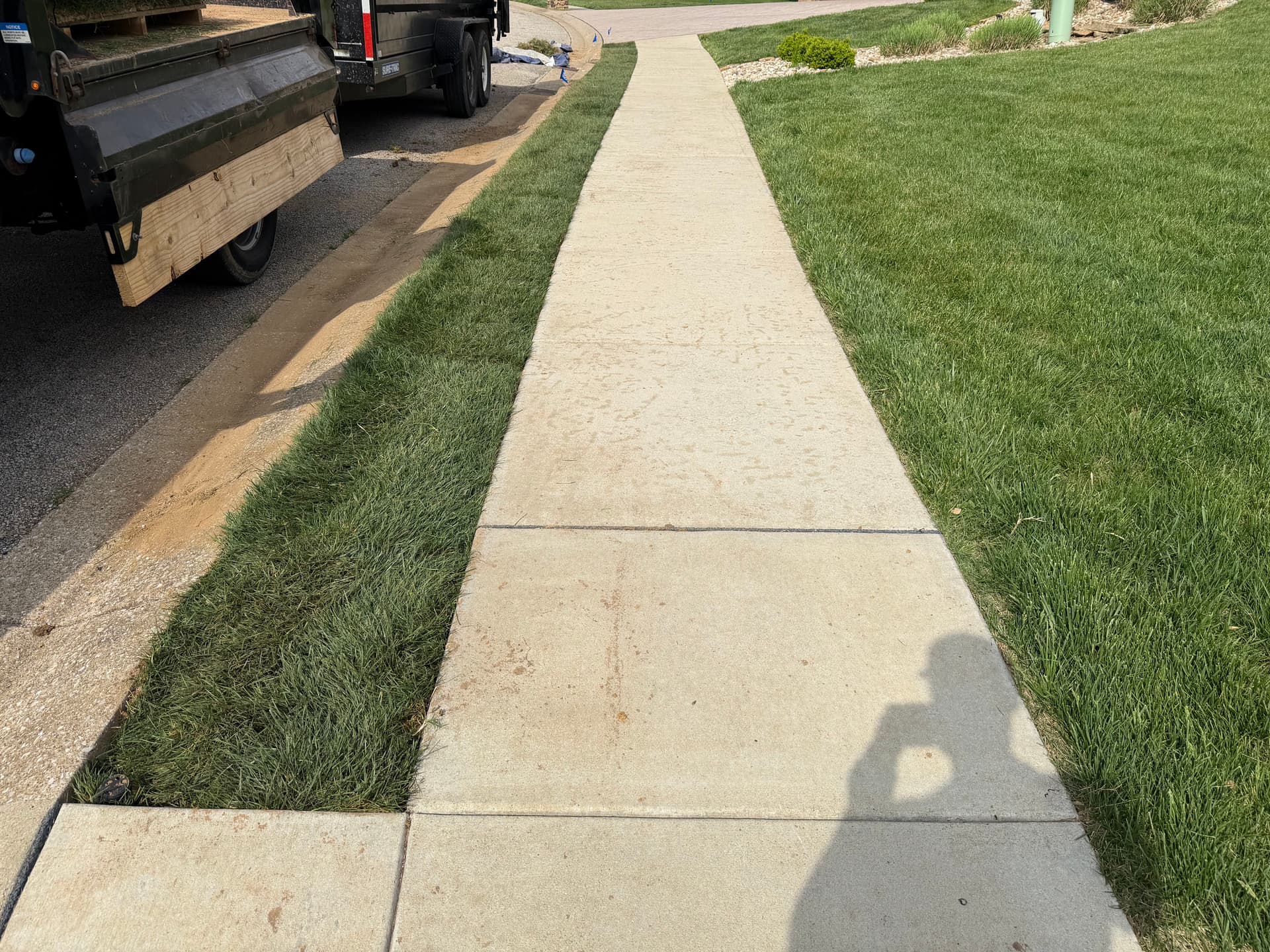
Bermuda grass is one of the most stubborn lawn problems out there. It creeps in slowly, takes over bare or weak spots, and if you ignore it long enough, it starts pushing into the rest of your turf. That's exactly what we were dealing with here - a lawn with sections heavily infested by Bermuda that had taken hold in the front yard area.
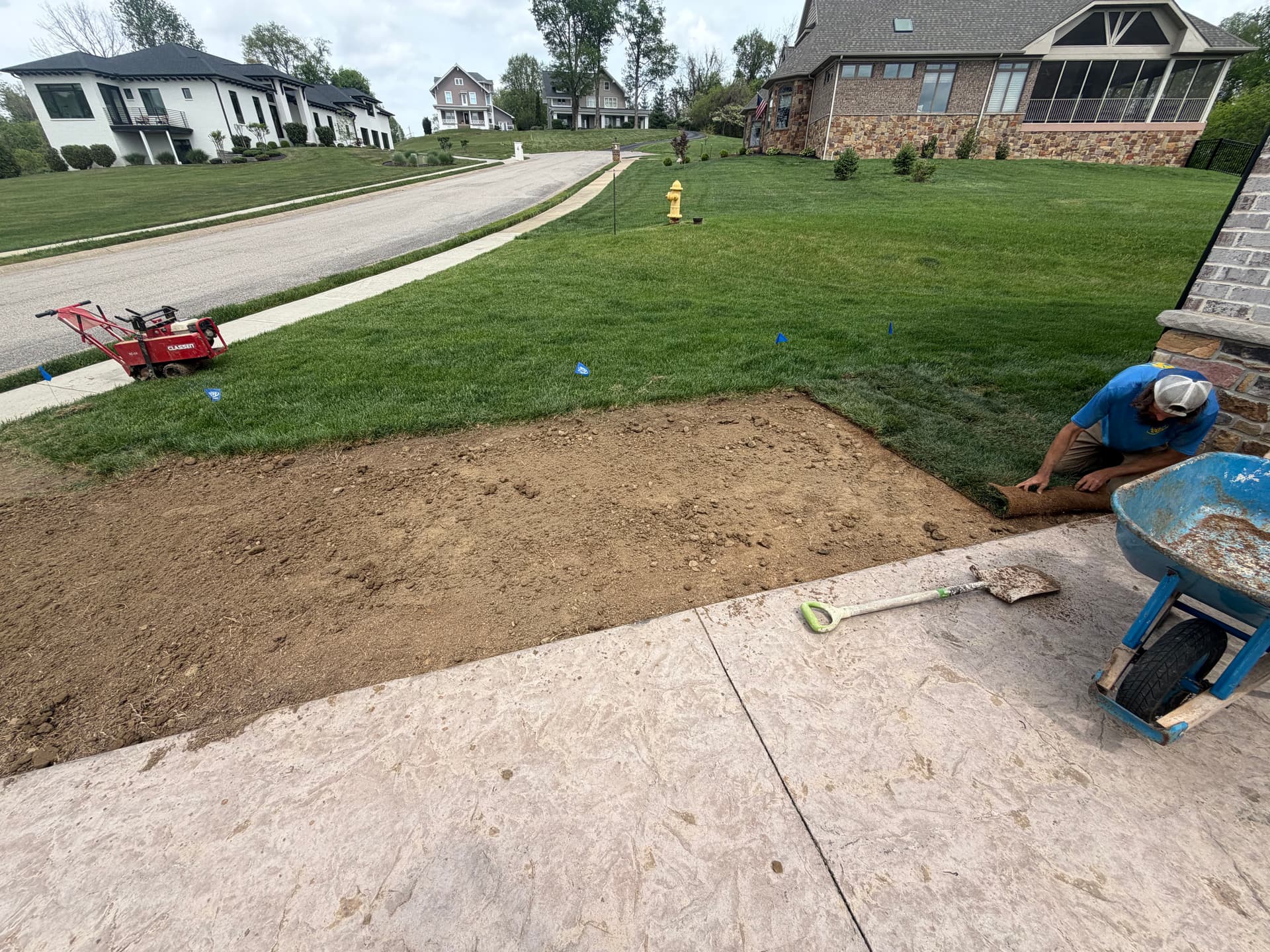
The fix isn't as simple as just throwing down new sod on top. If you don't remove the infested turf and prep the soil correctly, the Bermuda will come right back up through the new grass. So that's where we started - cutting out the problem areas completely, hauling off the old material, and regrading the soil to give the new sod a clean, level base to root into.
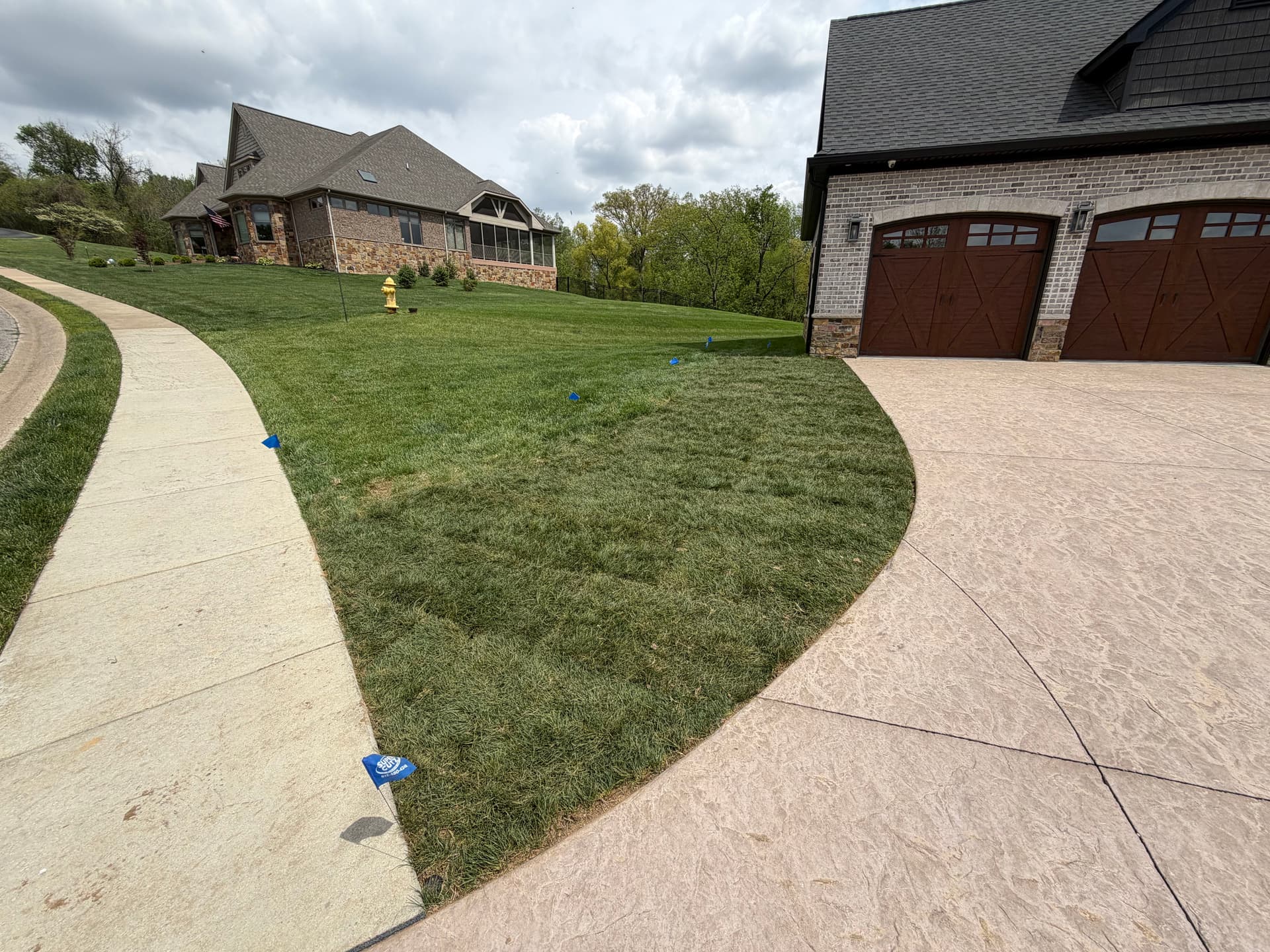
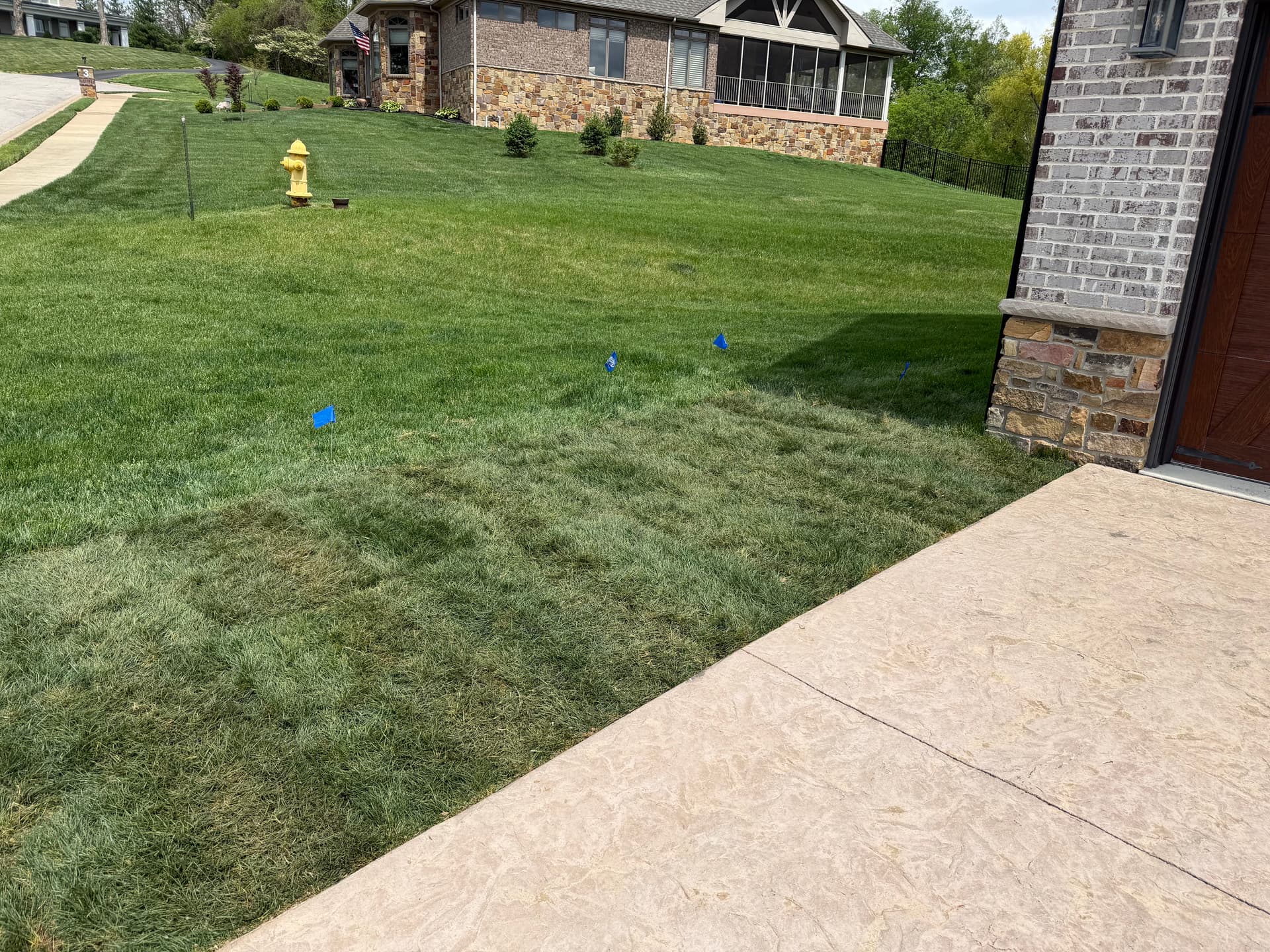
Once the ground was prepped, we laid in fresh tall fescue sod to match the existing lawn. Getting the grass variety right matters a lot here. Tall fescue is a cool-season grass, and mixing in the wrong type would just create a different patchwork problem. Matching it to what's already growing means the repaired areas will blend in as they establish.
The goal with a job like this isn't just to fill in bare spots - it's to slow the spread. Bermuda is aggressive, and while no sod installation completely eliminates the risk of it returning, removing the source and giving the fescue a strong, healthy start makes a real difference in keeping it contained. We also work carefully around any irrigation and drainage features to make sure nothing gets disrupted in the process.
This kind of work takes a methodical approach. Strip it out, grade it right, match the grass, and lay it clean. That's how you get a finished lawn that actually looks uniform instead of just patched together.