Slime Mold in Southern Indiana Lawns - What You Need to Know
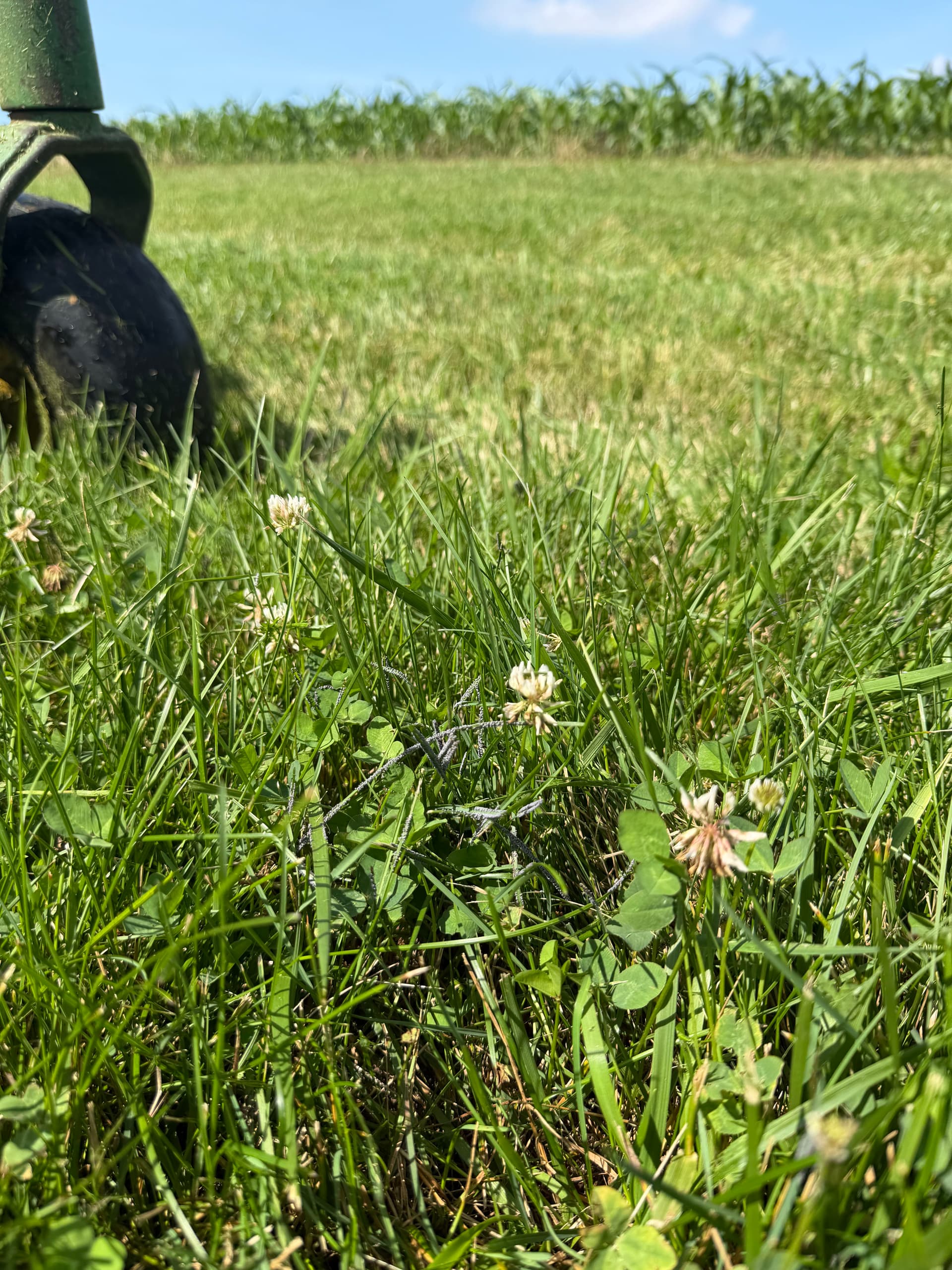
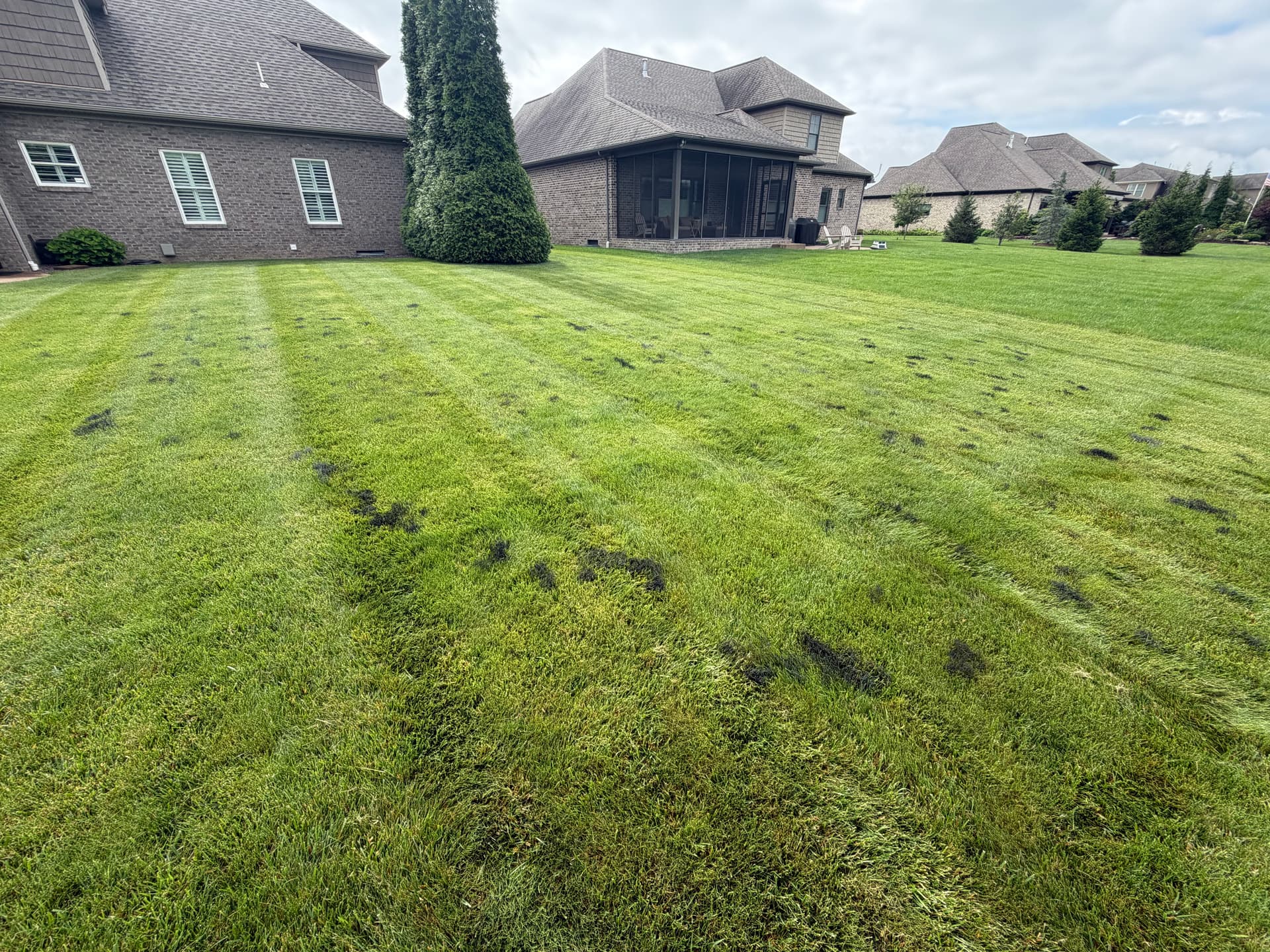
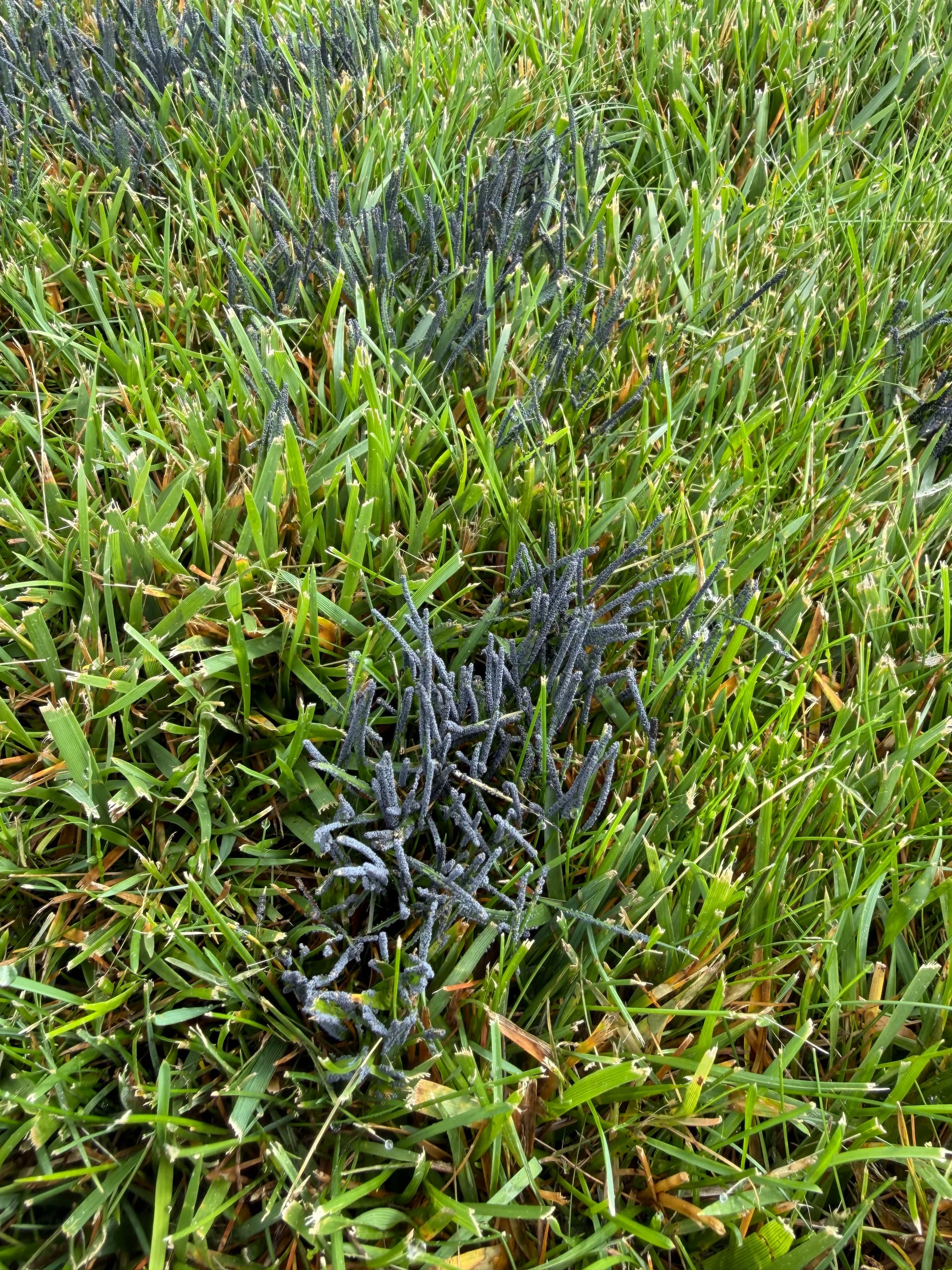
If you've stepped outside lately and noticed something strange coating your grass blades - something dark, grayish, or almost powdery-looking - you're not alone. We've been getting calls and questions about it all week. What you're likely seeing is slime mold, and it tends to show up big after stretches of wet, humid weather like we've been having here in Southern Indiana.
Here's the good news: slime mold is not a disease. It's not killing your grass. It's not even a true fungus - it's actually a type of organism that feeds on bacteria and decaying matter in your soil. It just happens to use your grass blades as a surface to spread its spores. Looks alarming. Sounds alarming. But the grass underneath is almost always just fine.
That said, we completely understand why it throws people off. The dark, almost sooty coating you see sitting on the grass blades can look serious, especially when it shows up in irregular patches across an otherwise healthy-looking lawn. The humidity we get in this part of Indiana creates exactly the right conditions for slime mold to pop up - warm soil, excess moisture, and limited airflow all play a role.
In most cases, slime mold clears up on its own once conditions dry out. You can also knock it back by mowing or raking the affected areas to disrupt it. What you don't want to do is assume it's a fungal disease and start treating it aggressively - that's often unnecessary and can do more harm than good. Keeping your lawn on a solid fertilization program and addressing compaction with core aeration can help improve overall turf health, which makes your grass more resilient to these kinds of nuisances in the long run.
If you're seeing something in your yard and you're not sure what it is, don't stress about it. We're always happy to take a look and give you a straight answer. That's part of what we do - not just treating lawns, but helping homeowners understand what's actually going on out there.